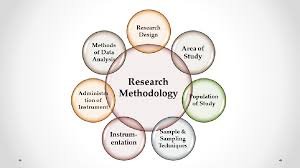
The choice of research methodology is the most critical decision a scholar makes. It functions as the blueprint for the entire study; when that blueprint is flawed, the resulting structure is inherently unstable. Selecting an improper methodology—whether it is an ill-suited quantitative approach for a nuanced social issue or a qualitative study where statistical generalization is required—acts as a “poison pill” for the findings. It doesn’t just make the work harder; it actively distorts the truth.
Here is an analysis of how selecting an improper methodology negatively impacts research findings.
The primary casualty of an incorrect methodology is internal validity. If the tools used to measure a phenomenon do not actually align with the nature of that phenomenon, the results are meaningless. For example, using a rigid “Yes/No” survey to capture the complex, emotional trauma of refugees would fail to capture the depth of the experience. The findings might show a high percentage of “resilience,” but because the methodology suppressed the nuances of grief, the conclusion is a false representation of reality.
Similarly, reliability suffers. An improper method often introduces “noise”—variables that the researcher didn’t account for because the framework was wrong. If the experiment cannot be replicated with the same results because the original method was too loose or misapplied, the findings lose their standing in the scientific community.
Methodological misalignment often invites bias into the data collection process.
One of the most dangerous outcomes is the generation of Type I or Type II errors.
Research is often intended to inform a broader context. However, if the methodology is poorly chosen (e.g., a case study used to make universal claims about human psychology), the external validity is compromised. The findings become “siloed.” While they might be true for that specific group at that specific time, the attempt to apply them elsewhere results in failed interventions and wasted resources.
Beyond the data, there is a human and financial cost. Funding bodies invest millions into research. When a methodology is improper, that investment is nullified. More importantly, in fields like medicine or public policy, improper findings can lead to harmful real-world applications. If a drug is deemed safe because the trial methodology ignored long-term longitudinal tracking, the “finding” puts lives at risk.
Conclusion
A methodology is not just a set of instructions; it is the lens through which we view the truth. If the lens is cracked or the wrong focal length, the image—the findings—will be distorted. To ensure high-impact, credible results, the methodology must be a perfect “fit” for the research question. Without this alignment, the research is not just unhelpful; it is misleading.
The image of a teacher pacing between desks, reciting a passage while students frantically scribble,…
For decades, the United Kingdom has been marketed as the "ultimate classroom" for English learners.…
The rise of digital communication has transformed the educational landscape, but for learners with learning…
The Evolve series, published by Cambridge University Press, has established itself as a prominent six-level American English course…
The quest for the "best" dictionary is a bit like searching for the best pair…
The journey of academic research is often framed as a disciplined march toward a contribution…