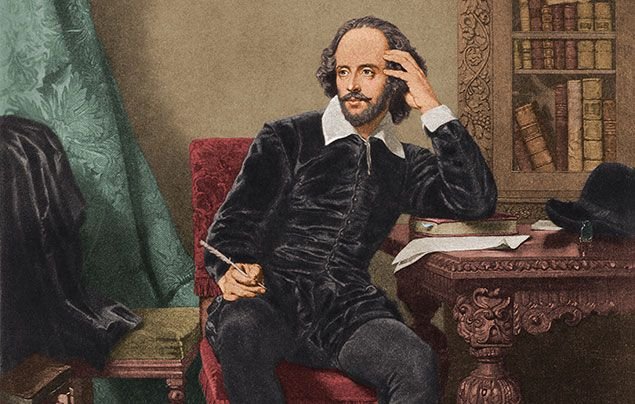
William Shakespeare: A Great Dramatist or a forgotten poet?
William Shakespeare is a name that resonates through the corridors of history, a figure whose influence on literature and the English language is unparalleled. Often hailed as the greatest dramatist of all time, his plays continue to be performed, studied, and adapted across the globe. Yet, in the shadow of his monumental dramatic achievements, a question arises: Is Shakespeare also a forgotten poet? While his sonnets and narrative poems are celebrated by scholars, they often take a backseat to the spectacle of his plays in the public consciousness. This essay explores the dual identity of William Shakespeare, examining his legacy as a preeminent dramatist and the nuances of his poetic reputation.
Shakespeare’s status as a great dramatist is firmly established. His body of work, comprising thirty-eight plays, spans a vast array of genres, from the profound tragedies of Hamlet and King Lear to the enchanting comedies of A Midsummer Night’s Dream and Twelfth Night. His ability to capture the complexities of the human condition—ambition, jealousy, love, and despair—is what makes his plays timeless. Shakespeare’s characters are not mere archetypes; they are deeply flawed, relatable individuals whose struggles resonate with audiences across centuries and cultures. The enduring popularity of his plays is a testament to his mastery of dramatic structure, dialogue, and character development.
Shakespeare’s impact on the English language is immense. He is credited with introducing many words and phrases still used today. His linguistic creativity and poetic style are evident in his plays, elevating drama. Shakespeare crafted experiences that challenged and inspired his audiences. His work has been translated into every major language and remains a cornerstone of theatrical education and performance.
The question of whether Shakespeare is a “forgotten poet” is more complex. His poetry is not insignificant, even if his plays are the primary focus of his legacy. Shakespeare’s sonnets, a collection of 154 poems, are considered some of the best examples of the form in the English language. They explore themes of love, time, beauty, and mortality with a depth and sensitivity that mirror his plays. His narrative poems, such as Venus and Adonis and The Rape of Lucrece, were also highly regarded during his lifetime.
The perception of Shakespeare as a “forgotten poet” may be due to the wider consumption of his dramatic works. Plays are designed to be seen and heard, while poetry is often a more solitary pursuit. The scale and impact of his plays can overshadow his poetry. Shakespeare’s success as a dramatist has eclipsed his identity as a poet, creating an unbalanced view of his artistic contributions.
To call him a forgotten poet would be an oversimplification. Scholars and literature enthusiasts continue to find meaning in his poetry. The sonnets, in particular, remain a subject of study and debate. Shakespeare’s poetic sensibility is woven into his plays; his use of blank verse and lyrical passages demonstrates a blend of poetic and dramatic elements. He was always a poet, even when writing for the stage.
In conclusion, William Shakespeare is undoubtedly a great dramatist whose influence on theater is incomparable. His plays remain a part of our cultural heritage. His sonnets and narrative poems represent an enduring part of his artistic legacy. Shakespeare was a master of both forms. One must acknowledge the synergy between his dramatic and poetic works to truly appreciate his genius. He is not a forgotten poet, but a multifaceted artist whose dramatic brilliance has become his most defining characteristic.